


For the dedicated owner, the German Shepherd Dog (GSD)—or the Alsatian, as many traditional handlers across Europe still affectionately know them—is far more than a pet. They are loyal guardians, tireless working colleagues, and beloved family members. Their intelligence is legendary, and their devotion is absolute.
However, beneath that rugged, athletic exterior lies a surprisingly delicate physiology. Ask any veteran breeder, police dog handler, or veterinary surgeon, and they will confirm: this breed’s kryptonite isn’t fear; it is their sensitive digestion and unique skeletal structure.
Success with a Shepherd isn’t just about training; it requires a precision nutritional strategy. To ensure your dog thrives from puppyhood well into their senior years, we must look beyond standard kibble and address their unique biological blueprint: the “Glass Stomach” and the “Sloping Back.”
This comprehensive guide explores the science behind feeding your Shepherd for longevity, focusing on digestive stability, dermatological health, and skeletal strength.
Key Nutritional Takeaways for German Shepherds
- Protein is Paramount: Seek nature-aligned animal proteins (minimum 28-30% dry matter) to maintain lean muscle mass without obesity.
- Joint Defence is Non-Negotiable: Glucosamine, Chondroitin, and Omega-3s are essential maintenance for the GSD’s sloping back and hips.
- The “Glass Stomach”: Avoid common irritants like maize (corn), wheat, and soy. Opt for highly digestible proteins (like a Duck & Turkey blend) if stools are consistently loose.
- Life Stage Matters: Puppies need controlled calcium levels to prevent rapid growth spurts that damage joints, while seniors need lower calories but higher quality protein.
- The Gut-Skin Connection: Many skin irritations in Shepherds are actually symptoms of gut inflammation. Healing the gut often clears the skin.
Part 1: The “Glass Stomach” Phenomenon
Veterinarians frequently refer to the Shepherd’s digestion as a “glass stomach.” Why is this breed so prone to upsets?
Anatomically, GSDs have a relatively shorter colon and higher intestinal permeability compared to other large breeds. This genetic trait makes them highly susceptible to loose stools, malabsorption, and inflammatory bowel issues such as Colitis. Furthermore, the breed is genetically predisposed to Exocrine Pancreatic Insufficiency (EPI), a condition where the pancreas fails to produce enough enzymes to digest food properly.
Why Standard Kibble Often Fails
Many commercial dog foods across Europe are bulked out with cheap cereal fillers, particularly maize and wheat gluten. While a Labrador might digest these fine, in a Shepherd’s sensitive gut, these ingredients tend to ferment rapidly. This leads to the all-too-common symptoms:
- Chronic flatulence (wind)
- Bloating and abdominal discomfort
- Large, frequent, and soft stools
- Poor nutrient absorption, leading to a dull coat
The Solution: Grain-Free & Protein-Rich Nutrition
To combat this volatility, the diet must mimic their ancestral intake—high in premium animal protein and devoid of common irritants.
- The Power of Digestible Proteins
If your Shepherd struggles with recurring tummy upsets, switching to a highly digestible meat source can act as a biological reset button.
- The Duck Advantage: Our Farm-Raised Duck formula utilises fresh duck combined with turkey and chicken. This multi-poultry blend offers a rich array of amino acids that are far easier for a Shepherd to digest than heavy beef or fibrous soy-based diets.
90% Animal Protein: By ensuring 90% of the protein comes from animal sources, we maximise absorption rates, meaning less waste in the garden and more nutrients in your dog.
- Fibre that Functions
Fibre is not just a filler; it is a tool. Instead of heavy grains that sit in the gut, look for formulas that utilise garden vegetables and botanicals.
Our P10 Powergreens complex—harnessing the fiber-rich power of pineapple, asparagus, and Jerusalem artichoke hearts—acts as a potent prebiotic. They feed the beneficial bacteria in the microbiome, creating a stable environment that firms up stool quality.
Part 2: The Gut-Skin Axis (Why is my Shepherd Itching?)
One aspect often overlooked is the connection between the stomach and the skin. German Shepherds are notorious for suffering from Atopic Dermatitis—itchy, red, and inflamed skin.
Owners often bathe their dogs with medicated shampoos, not realising the root cause lies in the food bowl. A “leaky gut” allows toxins and undigested proteins to enter the bloodstream, triggering systemic inflammation that manifests as hot spots and scratching.
The Nutritional Fix:
By eliminating inflammatory grains and introducing high levels of Omega-3 Fatty Acids (sourced from Salmon Oil and Antarctic Krill), you strengthen the skin barrier from the inside out. A diet rich in Omega-3s doesn’t just soothe the joints; it reduces the histamine response in the skin, leading to a softer, shinier coat and less scratching.
Part 3: Protecting the “Slope” – A Proactive Joint Strategy
The iconic silhouette of the German Shepherd—the sloping topline and deep angulation—is beautiful, but it comes at a cost. Hip Dysplasia and Elbow Dysplasia are polygenic threats that hang over the breed.
While genetics play the primary role, nutrition is the most powerful tool you have to delay onset and reduce severity. For a breed active in agility, police work, or simply long country walks, mechanical wear and tear is inevitable. Your dog’s bowl must act as a daily repair kit.
The Internal Armour: What to Look For
Waiting for a limp to appear is often too late. A proactive diet typically includes:
- Glucosamine & Chondroitin: These are the fundamental building blocks of cartilage. Think of them as the daily oil for a car engine; they help repair the “cushion” between joints that naturally wears down with high activity.
- Eggshell Membrane & Collagen: Advanced functional ingredients that support tendon elasticity.
Powerful Anti-Inflammatories: Chronic inflammation is the enemy of mobility. Marine-based oils (Krill & Salmon) act as a systemic fire extinguisher, reducing the heat and pain in stiff joints. This allows your Shepherd to remain active and fluid well into their senior years.
Crucial Advice: “Lean is Mean”
Keeping your Shepherd lean (where ribs are palpable but not visible) is the single most effective way to reduce mechanical load on the hips. Avoid high-glycemic fillers like white rice or corn syrup that spike insulin and lead to rapid fat storage. Instead, opt for low glycemic index carbohydrate sources like chickpeas or sweet potatoes, which provide sustained energy without the weight gain.
Part 4: Nutrition Across the Lifespan
A German Shepherd’s needs change drastically from their clumsy puppy days to their dignified senior years.
The Growth Phase (Puppy to 15 Months)
The Danger Zone: The biggest mistake owners make is overfeeding GSD puppies to make them “big.” Rapid growth is the enemy of joint health. If the skeleton grows faster than the muscle and tendons can support, dysplasia becomes almost guaranteed.
Strategy: Use a nutritionally balanced, all-life-stages formula with controlled Calcium and Phosphorus ratios. This ensures your GSD receives precise nutrients for slow, steady skeletal development without the risks of over-accelerated growth.
The Prime Years (15 Months to 7 Years)
The Performance Zone: This is when your dog is most active. Focus on high-quality proteins (Chicken or Duck blends) to maintain muscle mass and energy levels.
- Strategy: Monitor stool quality and coat condition. If the dog is working or exercising heavily, increase portion sizes slightly, but never compromise on food quality.
The Golden Years (7 Years+)
The Maintenance Zone: As metabolism slows, the risk of obesity rises. However, older dogs need more protein, not less, to prevent muscle wasting (Sarcopenia).
Strategy: Switch to a diet that is slightly lower in calories but richer in joint support and antioxidants to support cognitive function and fight cellular ageing.
Part 5: Duck vs. Chicken – Which Profile Suits Your Dog?
At CHARM®, we recognise that no two Shepherds are identical. Choosing between protein sources depends on your dog’s specific physiological profile.
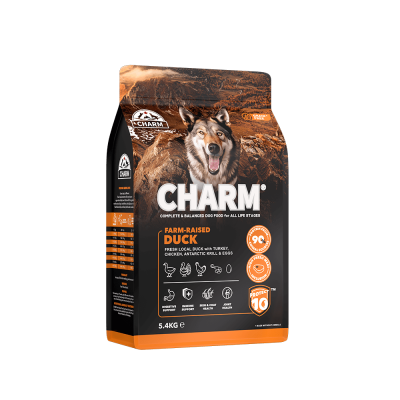
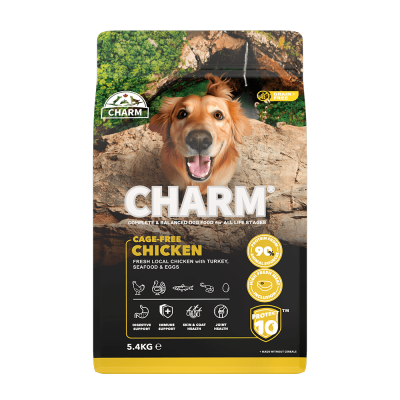
Feature | ||
Primary Goal | Sensitive Digestion & Gut Health | Peak Performance & Muscle Recovery |
Best For… | Dogs with the “Glass Stomach” or fussy eaters. | Working dogs, Agility competitors, and growing puppies. |
Protein Focus | Multi-Poultry Blend (Duck, Turkey, Chicken) for high digestibility. | Lean Muscle Builder (Chicken, Turkey, Mackerel) for explosive energy. |
Carb Source | Slow-release garden vegetables (Low GI). | Slow-release garden vegetables (Low GI). |
Joint Support | Standard: Glucosamine & Chondroitin included. | Fortified: Glucosamine & Chondroitin included. |
Healthy Fats | Salmon Oil & Chicken Fat for coat health. | Ocean Fish (Mackerel), Krill & Chicken Fat. |
Part 6: Preventing Bloat (GDV) – Feeding Habits Matter
We cannot discuss Shepherd nutrition without mentioning Gastric Dilatation-Volvulus (GDV), commonly known as bloat. This life-threatening condition is a major risk for deep-chested breeds.
Management is just as important as the food itself:
- Split the Rations: Never feed your Shepherd one giant meal a day. Two smaller meals (Morning and Evening) reduce the gastric load.
- The “One Hour” Rule: Restrict rigorous exercise for at least one hour before and after feeding.
- Slow Down: If your dog inhales their food, use a slow-feeder bowl or a puzzle feeder to prevent them from swallowing air (aerophagia).
Avoid Elevated Bowls: Recent studies suggest that raised feeder bowls may actually increase the risk of bloat in large breeds, contrary to popular belief. Feeding at floor level is generally safer.
Frequently Asked Questions (FAQ)
Q: Can German Shepherds eat grain-free food?
A: Yes, and many thrive on it. Grains like wheat and maize are common allergens for Shepherds. A high-quality grain-free diet rich in complex carbohydrates (like sweet potatoes or chickpeas) provides sustained energy without the digestive irritation.
Q: My Shepherd has loose stools. Is the Duck formula hypoallergenic?
A: Our Duck formula is designed for sensitive digestion, avoiding common agitators like beef, corn, and soy. However, it is a poultry blend containing duck, turkey, and chicken. If your dog has a specific diagnosed allergy to chicken protein, please consult your vet before switching. For most Shepherds with general digestive sensitivity, this blend is highly effective.
Q: Why is my German Shepherd so skinny?
A: High energy levels combined with poor absorption can make maintaining weight difficult. Ensure they are on a highly digestible protein source (like our Duck or Chicken recipes) and free from parasites. If weight loss persists despite a good appetite, ask your vet to test for Exocrine Pancreatic Insufficiency (EPI).
Q: Do I need to add supplements to CHARM® dog food?
A: Generally, no. Our formulas are designed with “All-in-One” nutrition, including maintenance levels of joint support (Glucosamine, Chondroitin) and Omega oils. Adding too many external supplements can sometimes unbalance the diet.
Conclusion: Investing in Their Future
A German Shepherd gives you everything—protection, companionship, and unwavering loyalty. The best way to reciprocate that devotion is by investing in their biological health.
Whether you are supporting a sensitive stomach with our gentle Duck blend or fueling a working dog with our robust Chicken recipe, the food you put in their bowl is the most significant health decision you make daily. By choosing a diet rich in functional ingredients—specifically tailored for the Alsatian’s digestion and joints—you aren’t just feeding your dog; you are actively extending their healthy, active years by your side.